

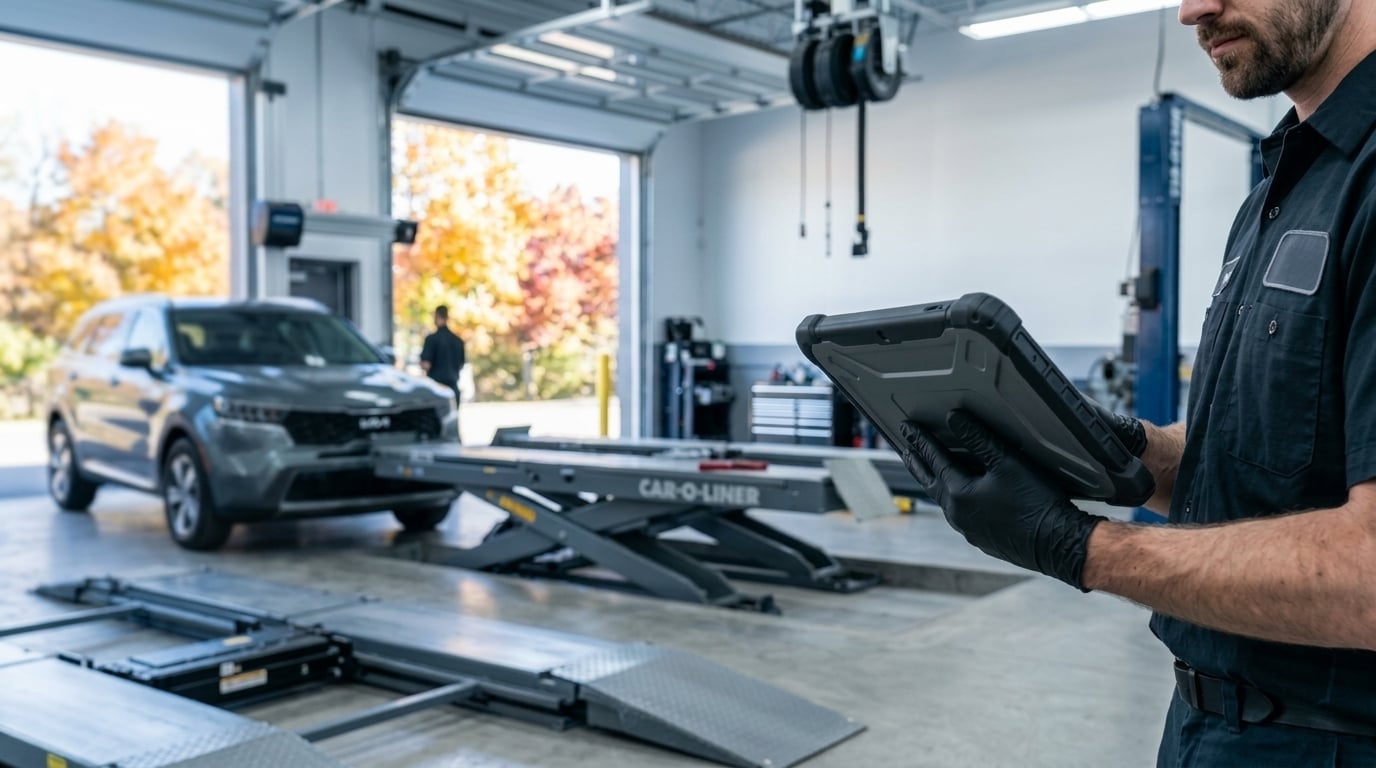
 A certified collision repair center delivers a complete, standardized restoration process that restores your vehicle to original safety, structural, and cosmetic specifications. You should expect an initial physical assessment, a line-item computerized damage estimate, detailed structural alignment using precision laser measurement, expert panel and paint refinishing, pre-repair and post-repair electronic diagnostic scans, and thorough safety-system recalibration before a final quality inspection.
When an unexpected accident occurs on the road, knowing what happens behind the garage doors gives you total clarity throughout the restoration journey. The process begins the moment your vehicle arrives at our shop for a comprehensive visual inspection. Technicians evaluate surface impacts, mechanical components, and underlying structural elements to establish a transparent baseline for insurance claims and repair scheduling.
Following the initial assessment, technicians perform pre-repair diagnostic scanning to identify hidden fault codes within safety computers, restraint modules, and engine management electronics. Once structural pull requirements, panel replacements, and refinishing steps are documented, precision tools are used to return the unibody structure to factory tolerance margins. Finally, comprehensive quality control checks and road tests confirm that every safety system functions exactly as designed before key handoff.
Drivers visiting our facility can easily find our convenient body shop location or give our service advisors a direct call to get immediate assistance with vehicle towing and intake coordination.
Table of Contents
- What Services Are Offered at Rusty Wallace Collision Center?
- Why Does I-CAR Gold Class Certification Matter for Collision Repairs?
- How Are Collision Repair Estimates Calculated and What Is a DRP Shop?
- How Does a Dealership Collision Center Differ From an Independent Body Shop?
- Common Questions About Collision Repair and Insurance Processes
- How Do You Schedule Collision Repair and Get Your Vehicle Back on the Road?
What Services Are Offered at Rusty Wallace Collision Center?
Rusty Wallace Collision Center provides full-scope auto body and structural repair, including heavy unibody frame straightening, aluminum body repair, cosmetic dent removal, glass replacement, computerized paint matching, and electronic safety recalibration. Our facility handles everything from minor parking-lot scrapes to complex multi-panel structural damage using manufacturer-approved tooling and repair procedures.
Vehicle architecture has evolved rapidly, requiring highly specialized techniques for different metal alloys and structural components. Our body shop features dedicated aluminum repair equipment that prevents cross-contamination with steel components, preserving the metallic strength and corrosion protection of lightweight body panels. Frame restoration relies on hydraulic towers paired with computerized laser measuring systems to align unibody structures back to millimeter-exact factory specifications.
Our refinishing department uses advanced digital spectrophotometer technology to scan your vehicle's existing finish, compensating for paint aging and environmental exposure to formulate an exact color match using premium paint systems. Beyond cosmetic work, modern collision repairs require restoring delicate driver-assist networks. Whenever bumpers, grilles, or windshields are repaired or replaced, our team performs static and dynamic ADAS calibration for forward-collision sensors, lane-keep radar, and surround-view cameras.
The rolling hills around Morristown demand proper chassis alignment and active safety systems that function flawlessly on elevated terrain. To maintain your vehicle's reliability and driving dynamics, you can conveniently schedule your service appointment online for an in-person assessment.
Full-Service Body Shop Capabilities
- Major structural unibody and frame straightening using computerized laser measuring
- Paintless dent repair for minor hail damage, door dings, and surface creases
- Computer-formulated paint matching with multi-stage clear coat application
- Dedicated aluminum body panel repair and structural component replacement
- OEM windshield, side glass, and rear backlight replacement
- Post-collision wheel alignment and suspension component replacement
- Diagnostic scanning and Advanced Driver Assistance Systems recalibration
Why Does I-CAR Gold Class Certification Matter for Collision Repairs?
I-CAR Gold Class certification guarantees that a collision facility maintains continuous, rigorous technical training across every major repair role to handle modern vehicle architectures safely. Certified status ensures that estimators, structural technicians, non-structural repairers, and refinish specialists understand the latest high-strength steel alloys, occupant restraint systems, and electronic safety technology.
Automotive design changes every model year, introducing lighter composite materials, ultra-high-strength steel structures, and complex sensor networks. Without annual specialized training, technicians risk using outdated heating, welding, or pulling techniques that can weaken structural safety cells or compromise airbag deployment thresholds. Achieving and maintaining Gold Class status requires ongoing testing and professional development across all shop disciplines rather than a one-time exam.
When a vehicle is repaired at a Gold Class facility, every step aligns with current original equipment manufacturer guidelines. Structural welds meet rigid tensile-strength testing standards, paint booth temperatures adhere to multi-stage curing protocols, and electrical systems undergo complete system checks. This commitment guarantees that your vehicle's safety cell will perform as engineered in the event of any future impact.
Maintaining peak safety during collision work also relies on component quality. Our team fits vehicles with OEM parts directly engineered for exact panel gap fitment and structural integrity, and drivers can easily order genuine factory parts through our dedicated portal. If you are researching vehicle replacement options following a total loss assessment, feel free to use our vehicle finder tool to explore reliable replacement choices.
How Are Collision Repair Estimates Calculated and What Is a DRP Shop?
Collision repair estimates are calculated by combining standardized labor hours, required replacement component prices, paint materials fees, and structural measuring time through specialized estimating software. A Direct Repair Program collision shop maintains formal agreements with major insurance carriers to streamline damage inspections, claims processing, and repair authorizations directly between the shop and insurer.
The estimation procedure begins with a thorough visual inspection and digital photography of all impacted zones. Estimators enter specific damaged components into industry-standard software, which applies factory guidelines for repair versus replacement labor times. The initial document outlines primary exterior damage, expected refinish hours, paint material allowances, and necessary mechanical sub-let services.
During initial vehicle teardown, technicians frequently discover hidden structural, electrical, or suspension damage that was invisible behind crushed bumpers and quarter panels. When this occurs, the shop generates a supplemental estimate backed by updated diagnostic scans and structural measurement readings. The supplement is submitted directly to the insurance carrier for quick approval, preventing project delays.
Because our facility operates with Direct Repair Program protocols, policyholders benefit from priority claim approval and direct electronic billing. Busy commuters navigating daily trips along I-40 in Knoxville benefit from this streamlined workflow, as DRP integration eliminates unnecessary administrative back-and-forth and gets vehicles back on the road faster.
How Does a Dealership Collision Center Differ From an Independent Body Shop?
A dealership collision center offers specialized brand expertise, factory-trained repair specialists, direct access to proprietary diagnostic software, and dedicated supply chains for genuine components. While independent body shops work as generalists across all makes and models with varied aftermarket parts sources, a dealership center focuses intensely on exact manufacturer standards and engineering specifications.
Modern vehicles feature sophisticated electrical architectures that require brand-specific diagnostic tools to clear soft fault codes and reconfigure safety modules. Dealership collision centers maintain direct factory computer links that allow technicians to flash electronic control units and execute precise safety system resets that general multi-brand scanning tools cannot perform.
| Feature / Capability | Dealership Collision Center | Independent Body Shop |
|---|---|---|
| Technician Training | Factory-certified & annual brand instruction | General industry certifications |
| Parts Sourcing | Direct access to genuine OEM components | Mix of OEM, aftermarket, and reconditioned parts |
| Diagnostic Equipment | Proprietary factory software & ADAS calibration | Multi-brand generic scanning tools |
| Warranty Coverage | Backed by manufacturer body & finish standards | Varied shop-specific warranties |
| Structural Data | Exact OEM unibody blueprint specifications | Generalized aftermarket measurement databases |
Choosing a dealership-backed collision center protects your long-term vehicle resale value and factory warranty coverage. Panels align precisely with original factory tolerances, electrical systems function without hidden computer errors, and surface finishes match original corrosion resistance standards.
Common Questions About Collision Repair and Insurance Processes
Did you know that you have the legal right to choose your collision repair facility regardless of which shop your insurance company suggests? Understanding insurance workflows, rental coverage options, and repair timelines helps you navigate the claims process with total confidence.
Q: Do I have to use the body shop my insurance company recommends?
You have the absolute legal right to choose any certified collision center for your vehicle repairs. Insurance companies often suggest network facilities to control their internal cost metrics, but policyholders are never obligated to accept those recommendations. Selecting a certified dealership collision facility ensures your car is restored using manufacturer-approved procedures, specialized tooling, and high-quality structural components rather than generic alternatives.
Q: How long does a typical collision repair take from intake to delivery?
Minor cosmetic repairs and paintless dent removals typically take two to three business days, while moderate structural collision work averages one to two weeks. Complex repairs requiring structural unibody pulling, extensive panel replacement, backordered components, or detailed insurance supplement approvals can take longer. Your service advisor provides regular timeline updates as disassembly progresses and parts arrive at our facility.
Q: Will my auto insurance policy cover a rental car while my vehicle is being repaired?
Rental car coverage depends entirely on the specific rental endorsement line within your auto insurance policy. If your policy includes rental reimbursement, your insurance carrier may help cover a temporary rental vehicle while yours is in the shop. Our service team assists with rental agency drop-offs and coordination so you stay mobile throughout the restoration period.
Q: What happens if hidden damage is found after the initial estimate?
Uncovering hidden damage during vehicle teardown is a standard part of the collision repair workflow. When technicians remove bumpers or exterior sheet metal and find secondary impact damage, our estimating team writes a supplemental estimate. We submit photo documentation and technical data directly to your insurance adjuster for approval before proceeding with additional structural or mechanical repairs.
Q: Is ADAS calibration required after bumper or windshield replacement?
Recalibrating Advanced Driver Assistance Systems is mandatory whenever camera mountings, radar brackets, bumper covers, or windshields are altered. Sensors that monitor lane keeping, automatic emergency braking, and blind spots require millimeter-accurate positioning relative to the vehicle's centerline. Performing static and dynamic calibration ensures these vital safety systems react correctly during daily driving conditions.
Drivers interested in learning more about our certified repair standards, facility history, and commitment to owner care can readily explore our dealership overview.
How Do You Schedule Collision Repair and Get Your Vehicle Back on the Road?
Restoring your vehicle after an accident requires a trusted team equipped with advanced repair technology and certified expertise. From initial damage appraisal and insurance claim management to structural frame alignment, computerized paint matching, and safety sensor recalibration, every step at our facility focuses on getting you back behind the wheel safely and without unnecessary stress.
When you need professional collision support, our certified team is ready to inspect your vehicle, answer your questions, and manage your repair process from start to finish. You can visit our convenient Morristown service facility for an in-person estimate, speak directly with our repair advisors by giving us a quick phone call, or easily schedule your collision repair online today to start your vehicle's complete restoration.
© 2026 Rusty Wallace Kia Morristown. All rights reserved.
Categories:
Body Shop